-


-


-


-


whatsapp

-
WeChat


Reliable hydraulic hoses for excavators: selection and installation
2026-03-24
content
- Introduction: The circulatory system of modern earthmoving equipment
- Design features and classification of high pressure hoses
- Selection criteria: how not to make a mistake when purchasing
- Typical causes of premature failure
- Professional installation: step-by-step instructions
- Maintenance and condition diagnostics
- Safety when working with high pressure hydraulics
- Conclusion: An investment in reliability and efficiency
Introduction: The circulatory system of modern earthmoving equipment
In the world of heavy engineering and construction industry, an excavator is rightfully considered one of the most versatile and powerful tools. However, behind the brute force of the steel bucket, the rotation of the platform and the smooth movements of the boom, there is a complex engineering system, without which the machine would turn into a motionless metal monolith. This system is often called the "circulatory system" of the excavator, and its key elements arehydraulic hoses for excavators. They ensure the transfer of colossal energy from the pump to hydraulic motors and cylinders, allowing the operator to control tons of soil with pinpoint precision.
The reliability of the entire machine directly depends on the condition of these components. A hose rupture at a critical moment not only stops operations, leading to downtime and financial losses, but also poses a serious threat to personnel safety due to the high pressure and temperature of the working fluid. In this article we will consider in detail all aspects related to the selection, operation and installation of high-pressure hydraulic hoses (HHP) for excavator equipment. We'll look at design types, quality standards, common selection mistakes, and step-by-step instructions for proper installation to help technicians extend equipment life and ensure smooth workflows.
Design features and classification of high pressure hoses
To make an informed choice, you need to understand what a modern hydraulic hose is made of. This is not just a rubber tube, but a multi-layer composite material designed to perform in extreme conditions. Each layer performs its own unique function, and violation of the integrity of any of them leads to product failure.
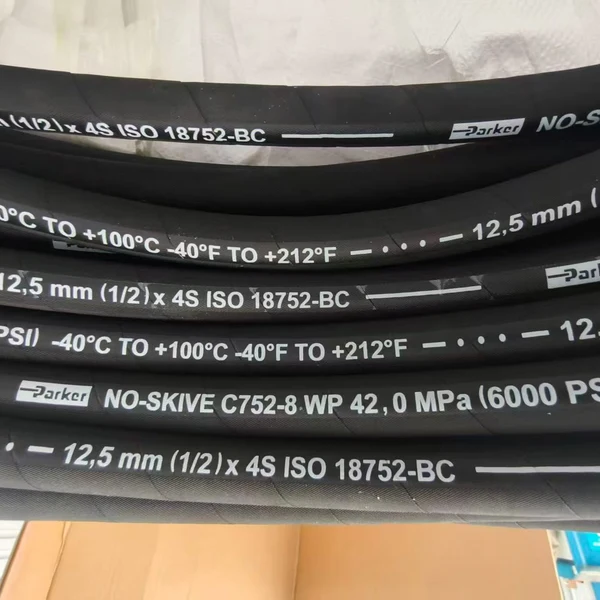
The inner layer (tube) is in direct contact with the hydraulic fluid. It must be resistant to chemical attack from oils, additives and system wear products. Most often, synthetic rubber (oil-resistant rubber) is used for its manufacture, which can withstand temperatures from -40°C to +100°C or more, depending on the specification. The smoothness of the internal surface is critical to minimize flow turbulence and prevent sediment accumulation.
The reinforcing layer (reinforcement) is the heart of the hose, determining its operating pressure. This is where the main difference between the models lies. Reinforcement can be made in the form of a braid of textile threads, steel wire or a combination of both. For excavators, where the loads are dynamic and shock in nature, hoses with steel reinforcement are most common:
- Single spiral reinforcement (1SN/1ST):Designed for medium pressures. Often used in return lines or low-pressure auxiliary equipment systems.
- Double spiral reinforcement (2SN/2ST):Gold standard for most excavator work lines (boom lift, arm swing). Provides an excellent balance between flexibility and strength.
- Four- and six-spiral reinforcement (4SP/6SP):It is used in ultra-high-pressure systems of modern large-class crawler excavators, as well as in hydraulic hammer and shear lines. Suchhydraulic hoses for excavatorscapable of withstanding impulse loads many times higher than the rated pressure.
The outer layer protects the structure from external influences: abrasive wear on the ground, ultraviolet radiation, ozone, moisture and mechanical damage. The high-quality outer layer is made of synthetic rubber with increased abrasion resistance. In some cases, special heat shrink spiral sleeves or textile covers are used for additional protection, especially in high friction areas.
Selection criteria: how not to make a mistake when purchasing
The market for hydraulic components is saturated with offers from many manufacturers, from global giants to little-known brands. Choosing the wrong hose can be costly. When selectinghydraulic hoses for excavatorsit is necessary to be guided by the principle of compliance with the technical requirements of a particular machine, and not just by price.
The first and most important parameter is the working pressure. It must exceed the maximum pressure in the system with a margin. However, it is important to consider not only static, but also pulse pressure. The excavator hydraulic system operates in the mode of constant pressure surges when the cylinders start and stop moving. A hose designed only for rated pressure will quickly tire and burst. Always check the equipment operating manual (manual), which indicates the required characteristics for each line.
The second critical factor is compatibility with the working fluid. Different types of hydraulic oils (mineral, synthetic, biodegradable) have different effects on the inner layer material. Using a hose that is not designed for a specific type of oil (such as phosphate ester fluids) will cause the inner tube to swell, delaminate, and fail in a matter of weeks.
Temperature also plays a key role. Excavators work both in arctic conditions and in deserts. At low temperatures, rubber loses its elasticity and becomes brittle, and at high temperatures it softens. Make sure the selectedhydraulic hoses for excavatorshave a temperature range that covers the operating conditions in your region, taking into account the heating of the liquid itself in the system.
Don't forget about geometry. The bend radius is the minimum radius by which the hose can be bent without damaging the reinforcement or compromising flow capacity. Exceeding the permissible bend radius leads to compression of the flow, an increase in pressure and rapid destruction of the hose structure at the bend. When laying the route, always leave a small margin of length to compensate for vibration and thermal expansion.
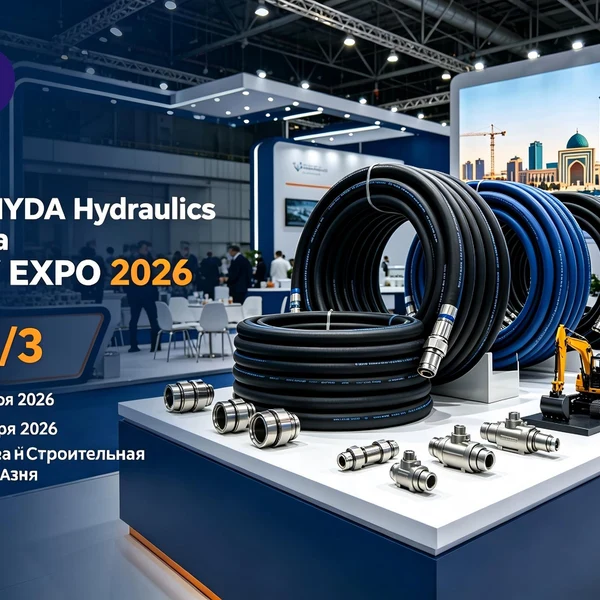
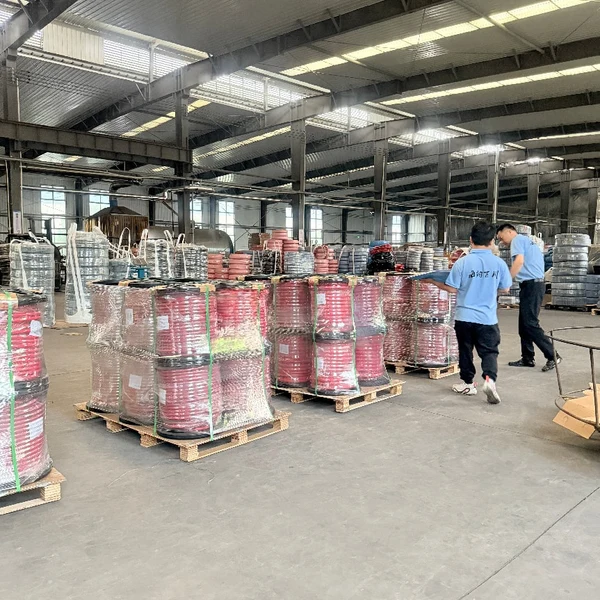
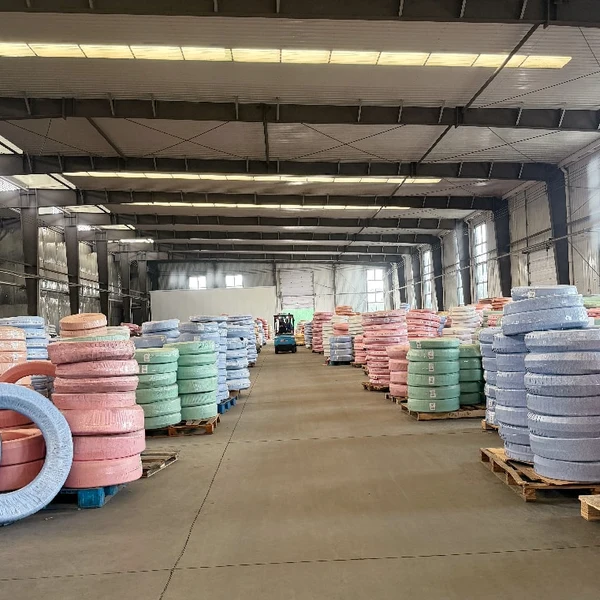
Finally, there is the issue of branding and certification. Cheap analogues often skimp on the quality of braided steel or use recycled materials for rubber. This leads to the fact that the life of the hose is reduced significantly. Reliable manufacturers provide certificates of compliance with international standards (ISO, SAE, EN, GOST) and guarantee traceability of each batch of products. Purchasing certified products is an investment in safety and predictable maintenance costs. In this context, special attention should be paid to companies that not only sell products, but also deeply understand the specifics of regional markets. A prime example of this approach is Zhengzhou Haida Hydraulic Technology Co., Ltd., a specialized enterprise focused on the field of hydraulic fluid transmission and control. The company has established itself as a reliable supplier of components and service partner for the industrial sector in Russia, Kazakhstan, Uzbekistan and other CIS countries. Specializing in key products such as hydraulic hoses, industrial tubing and ultra-high-pressure polymer hoses, Haida is committed to providing local customers with durable and efficient solutions that fully meet the demanding requirements of heavy equipment operation in various climate zones.
Typical causes of premature failure
Even the highest qualityhydraulic hoses for excavatorsmay fail prematurely if the rules for their operation or installation are violated. Analysis of failure statistics allows us to identify several main reasons that every mechanic and operator needs to know.
Abrasive wear.This is the most common cause of damage on excavators. Constant friction of the hose against metal parts of the frame, other hoses, or directly against the ground erases the outer protective layer. Once the armor is gone, moisture and dirt begin to eat away at the steel braid, causing corrosion. Corroded wire loses strength and breaks under pressure. The solution to the problem is the use of protective covers, proper laying and fixing of the route with clamps.
Incorrect installation and twisting.When assembling a hose, a fatal mistake is often made: the hose is installed with a twist. Even a small angle of twist along the axis significantly reduces the service life of the product, since the reinforcing layer works not in tension, but in torsion, which is unnatural for it. A properly installed hose should have a marking line that runs straight and has no spirals.
Impulse loads and water hammer.Sudden movements of the control levers and frequent stops and starts create pressure peaks. If the safety valves or pulsation dampers in the system are faulty, these shocks occur directly on the hoses. Over time, this causes metal fatigue and rubber delamination.
Thermal aging and ozone exposure.Prolonged exposure to direct sunlight or near heat sources (exhaust manifold, hydraulic tank) accelerates the aging of rubber. It becomes covered with a network of small cracks (“ozone cracking”) through which moisture penetrates. It is also dangerous to place hoses near hot surfaces without heat shields.
Inadequate fittings.The use of crimp fittings that are not intended for this type of hose, or violation of the crimping technology (under- or over-crimping) leads to leaks or the hose coming off the nipple under pressure. Each type of hose requires a strictly defined type of fitting and pressing mode.
Professional installation: step-by-step instructions
The quality of installation determines up to 80% of the service life of a hydraulic line. Even a perfect hose will perform poorly if it is not installed correctly. Below are detailed instructions for replacement and installation.hydraulic hoses for excavators, compliance with which guarantees the reliability of the connection.
Step 1: Preparation and diagnosis.Before starting work, it is necessary to completely stop the excavator engine and relieve pressure in the hydraulic system. To do this, move all control levers to their extreme positions several times with the engine off. Prepare the new product, ensuring that its length, diameter, type of reinforcement and operating parameters match the unit being replaced. Inspect nearby components for sharp edges or heat sources that could damage the new hose.
Step 2: Removing the old hose.Carefully unscrew the fittings. Be prepared for residual oil drainage - place a container. When removing the old hose, pay attention to the path of its laying, attachment points and bending angles. It is advisable to take a photograph of the assembly before disassembly to use as a guide. Clean the seats on the units from dirt and old sealing tape.
Step 3: Fitting and marking.Before final installation, apply the new hose to the installation site without tightening the fittings. Check the length: the hose should not be stretched with a string, but it should not sag so much that it rubs against other parts. The optimal length margin is 3-5% to compensate for vibration and changes in size during heating. Make sure that the bend radius is maintained at all points on the route. Using a marker, mark a center line on the outer casing of the hose to help ensure there is no curl when tightening.
Step 4: Install fittings and tighten.Screw the fittings into the ports of the units by hand until they stop to avoid distortion of the threads. Then, holding the hose body so that the marking line remains straight, tighten the union nuts with a torque wrench according to the fitting manufacturer's recommendations. Excessive force can deform the sealing surfaces, and insufficient force can lead to leakage. Never use the hose as a lever to tighten a fitting!
Step 5: Fixation and protection.Secure the hose to the standard mounting points using clamps. The clamps should not squeeze the hose, deforming its cross-section; they only fix the position. Install protective spiral sleeves or separators where there is potential contact with metal or other hoses. This will prevent abrasive wear.
Step 6: Testing.After installation, start the engine and let the system idle. Carefully inspect all new connections for leaks. Smoothly increase the speed and alternately turn on the working parts of the excavator, creating pressure in the circuits. Check the connections again under load. Make sure the hose does not vibrate excessively or touch moving parts.
Maintenance and condition diagnostics
Prevention is always cheaper than repair. Regular visual inspection of hydraulic lines should be part of the operator's or mechanic's daily walk-through routine. What exactly should you look for? First of all, any signs of damage to the outer layer: cuts, abrasions to the cord, swelling (“hernia”). Blistering indicates that the inner layer has been destroyed and oil under pressure has penetrated between the layers, inflating the shell. Such a hose must be replaced immediately, since its rupture is a matter of time.
Pay attention to the condition of the fittings. The presence of an oil film around the nut indicates a leak in the seal. Sometimes it is enough to simply tighten the connection, but more often it is necessary to replace the O-rings or the entire hose assembly. Also check the color of the hose: discoloration, stickiness or deep cracks indicate thermal or chemical aging of the material.
Particular attention should be paid to areas subject to constant vibration or friction. This is where hidden defects develop most quickly. Do not be lazy to clean the hoses of dirt before inspection, as a layer of oil and dust can mask serious damage.
It is important to remember the rule: never try to repair a damaged hose using electrical tape, clamps or glue. The hydraulic system of an excavator operates under pressure of hundreds of atmospheres. Any makeshift repair will not withstand such a load and will turn into a dangerous stream of hot oil that can cause severe injuries. The damaged area can only be repaired by completely replacing the hose or re-crimping it in a specialized service while maintaining the integrity of the structure.
Safety when working with high pressure hydraulics
Working with excavator hydraulic systems involves serious risks that should not be forgotten for a moment. Oil under high pressure has the ability to penetrate human skin at the slightest damage to the cover. Injection of hydraulic fluid into body tissue is a severe injury that often leads to gangrene and amputation of the limb, even if outwardly the puncture site looks like a harmless point.
Therefore, it is strictly forbidden to use your hands when searching for leaks. A thin stream of oil may be invisible to the eye, but have enough energy to penetrate the skin. To detect fistulas, use a piece of cardboard, a wooden plank, or a special leak detector. If you find a leak, immediately turn off the car and relieve pressure before any manipulation.
When replacinghydraulic hoses for excavatorsBe sure to use personal protective equipment: safety glasses (to prevent oil from getting into your eyes under pressure), oil-resistant gloves and thick clothing. Remember that hot oil can cause severe burns. Never work under a raised implement that is only secured hydraulically; Always use mechanical stops.
The environmental aspect is also important. Oil drained when replacing hoses is a hazardous waste. It must be collected in a special container and disposed of in accordance with environmental standards, preventing it from entering the soil or water bodies. A modern approach to equipment maintenance includes not only caring for the machine, but also responsibility for the environment.
Conclusion: An investment in reliability and efficiency
Hydraulic hoses are consumables, but the approach to their selection and operation should not be consumerist. High-quality, correctly selected and correctly installedhydraulic hoses for excavatorsbecome a guarantor of stable operation of the entire machine. They allow you to avoid unplanned downtime, which, under tight construction deadlines, can result in huge losses.
Savings on hose costs are often illusory. A cheap analogue can last three to four times less than the original product, and its sudden failure in the middle of a work shift will result in costs for evacuation, urgent repairs and equipment downtime, many times higher than the difference in price. In addition, the risk of injury and environmental fines when using low-quality components makes such savings criminal.
The modern market offers a wide range of solutions: from standard hoses to high-tech products with a Teflon core, ultra-resistant coating and special fittings for difficult conditions. The specialist’s task is to choose the best option based on specific tasks, operating conditions and budget, but always putting safety and reliability at the forefront. Partnerships with companies such as Zhengzhou Haida Hydraulic Technologies LLC allow you to gain access not only to quality products, but also to expert support adapted to the realities of the Eurasian market.
Regular maintenance, careful visual inspection and adherence to installation standards are the three pillars on which the longevity of the hydraulic system rests. Entrust installation to qualified specialists, use certified materials and do not ignore the first signs of wear. In this case, your excavator will work like a clock, efficiently performing the most difficult tasks, and hydraulic hoses will become an invisible but reliable link in the chain of success of your business.
Remember: in the world of heavy equipment, there are no small things. Each element, including the flexible hose, carries a huge load. Responsible attitude to selection and servicehydraulic hoses for excavators- this is a sign of professionalism and a guarantee of trouble-free operation of your equipment for many years.