-


-


-


-


whatsapp

-
WeChat


High wear on hydraulic hoses in Siberian mines? Choosing the right model can triple their service life.
2026-07-14

Open pit mines in Siberia and the Far East experience low temperatures for almost six months of the year, with extreme temperatures dropping below -40°C in winter. Conventional hydraulic hoses are susceptible to problems such as rubber hardening, bending and cracking, leaks and ruptures. Many mine maintenance crews report that the average winter life of conventional hoses is only 3-4 months. Frequent replacement not only increases consumable costs, but also often leads to equipment downtime and production delays.
In reality, severe hose wear is not always a product quality problem; often it is caused by poor choices. The three most common misconceptions are: First, focusing solely on operating pressure without considering cold temperature resistance. Conventional hoses have a minimum operating temperature of only -20℃. In conditions of extremely low temperatures, the strength of rubber is significantly reduced, which leads to cracking even with slight bending. Secondly, bending radii are less than standard installation requirements. At low temperatures, rubber becomes brittle, making stress points prone to rupture. Third, incorrect compatibility with the work environment. Corrosive environments such as oil, gas and dirt accelerate the aging of rubber, making conventional hydraulic hoses unusable.
The correct choice of model for various operating conditions in the mining industry can extend the service life of the hose by 2-3 times:
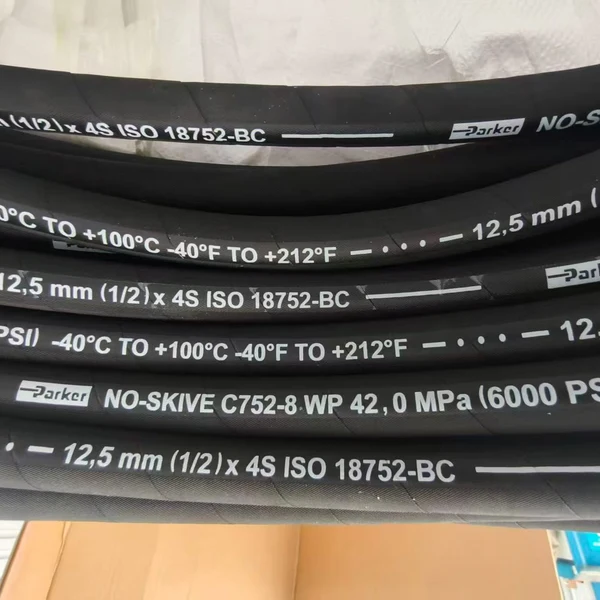
1. Main hydraulic system of heavy excavators and drilling rigs: Manuli multi-layer spiral wound hoses or Parker ultra-high pressure pulse hoses are preferred. They have a lower temperature limit of up to -45℃, a pulse life of more than a million cycles and high bending resistance. It is the primary choice for extremely cold mining areas.
2.Pipelines for oil and gas production and chemical transportation: Senpei oil-resistant and corrosion-resistant rubber hoses are used, combined with fire-resistant connections, which meet well safety standards and can resist corrosion in sulfur-containing environments;
3.Sand and Slurry Pipelines: The pipes are made using Shuangwei wear-resistant industrial pipes with thickened wear-resistant rubber layer on the inner wall, which are impact-resistant and wear-resistant, which can reduce the replacement frequency by more than half compared with ordinary pipes.
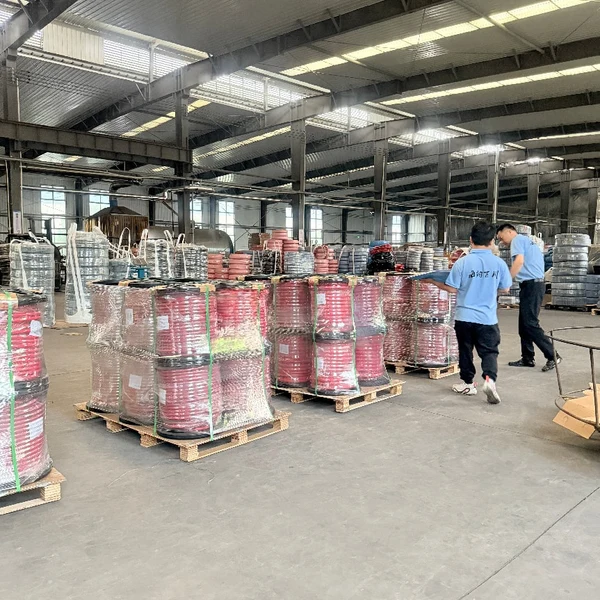
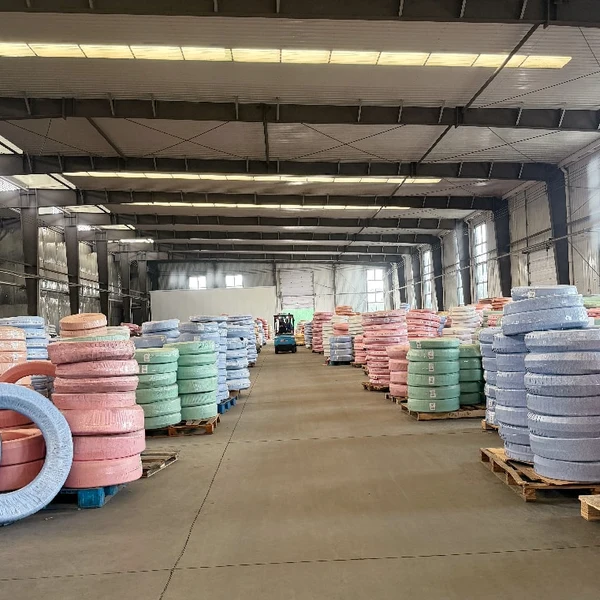
In terms of overall cost, although the unit price of related imported special hoses is about 20% higher than that of ordinary hoses, their service life is 3-4 times longer. With reduced downtime and labor replacement costs, overall long-term operating and maintenance costs can actually be reduced by more than 30%. Zhengzhou Haida Hydraulics maintains a full range of low temperature mining hoses in stock and can offer customized selection solutions based on specific equipment models and operating conditions, supporting serial testing in mining areas.