-


-


-


-


whatsapp

-
WeChat


Hydraulic hose 2 - reliable solution for high pressure
2026-04-13
Hydraulic hose 2 is not just a number on the label. This is the designation of a specific class of highly reliable reinforced products, designed for operating pressures up to 315 bar and impulse loads up to 630 bar. We have seen more than once how replacing a standard class 1 hose withhydraulic hose 2solved the problem of sudden ruptures in backhoe loaders when working on frozen soil. In real conditions - in the quarries of the Kemerovo region, in the repair shops of the Urals - it is the second class that withstands what breaks “ordinary” solutions.
Why does hydraulic hose 2 work where others fail?
The key is the three-layer construction. The inner layer of oil-resistant synthetic rubber (NBR) is resistant to mineral and synthetic hydraulic fluids even at −40°C. The middle reinforcing layer is two cross spirals made of high-strength steel wire with a diameter of 0.35 mm. It is this layer that absorbs dynamic shocks when the hydraulic distributor is turned on suddenly. The outer shell made of EPDM rubber protects against ozone, UV radiation and mechanical damage due to friction against the frame of the equipment.
Compare: a 1st class hose has one spiral. With a short-term pressure surge of up to 450 bar, it becomes irreversibly deformed. Class 2 hose retains its shape. We tested this in our own laboratory - 100 load cycles up to 630 bar without loss of tightness. Not a theory. Fact.
Operating temperature range is from −40 to +100°C. This is important for equipment operating in conditions of sudden changes: for example, in construction in Siberia, where in the morning -30°C, and in the afternoon - thawing and +5°C. With such vibrations, hoses with single-layer reinforcement lose their elasticity. The Class 2 hose remains flexible and safe.
Where it should not be used - and why
Some customers ask to usehydraulic hose 2in systems with pulse frequencies above 1 Hz - for example, in hydraulic presses with high-speed valves. But this is a mistake. Such conditions require a class 4 hose with four spirals and a special damping layer between them.
We also do not recommend it for transporting aggressive media: water-glycol mixtures with a pH below 5.5 or phosphate ester liquids. Here the inner NBR layer begins to swell after just 200 hours. For such cases - only FKM rubber and the corresponding reinforcement class.
Another common request is: “Install a class 2 hose at 400 bar pressure.” The answer is no. Even if it passes the test, its service life will be reduced by three times. Working pressure is not the limit of destruction. This is the value at which 200,000 cycles are guaranteed without derating. Excess is a direct path to an accident.
How to choose the right one - without overpayments and compromises
The choice begins with three parameters:
- Inner diameter (ID): 6.3 mm - for control; 12.7 mm - for main lines of excavators; 25.4 mm - for hydraulic power stations with a power of over 90 kW;
- Assembled length: consider not only the distance between the fittings, but also the bending margin - at least 8×D (where D is the outer diameter of the hose);
- Fitting type: JIC 37°, ORFS or SAE 45° - the choice depends on the type of connection on your pump or cylinder. Incorrect angle is the cause of 70% of leaks.
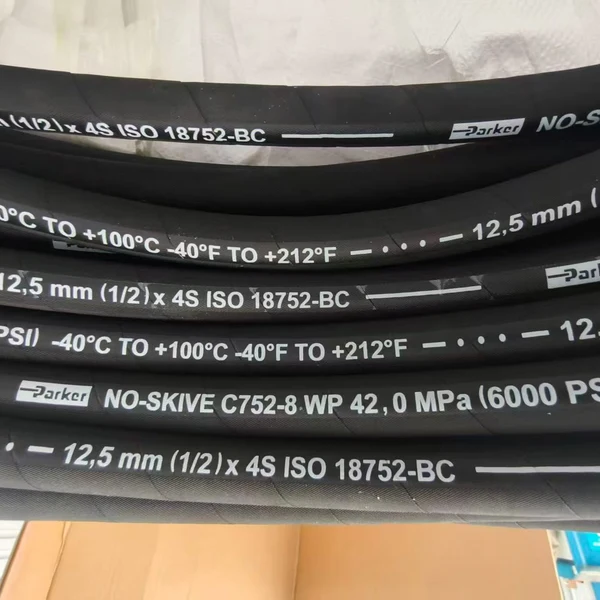
Pay attention to the markings: the hose must clearly indicate “Class 2”, standard EN 853 2SN or ISO 1436 Type 2. Counterfeits often write “2SN” without indicating the standard - this is a signal to check the certificate.
We saw how a client from Chelyabinsk saved 18% on purchases by choosing a non-certified analogue. After 47 days, there was a rupture in the bulldozer’s hydraulic motor. Replacement, downtime, fines for missing deadlines - the overpayment amounted to 320% of the initial savings.
Experience, not a catalog
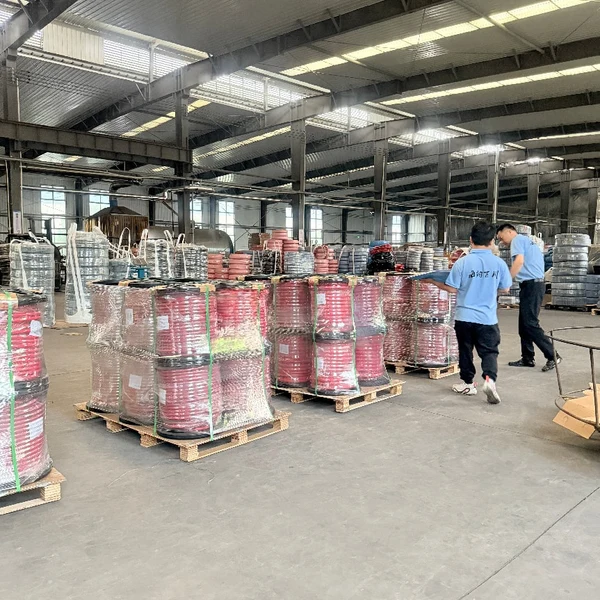
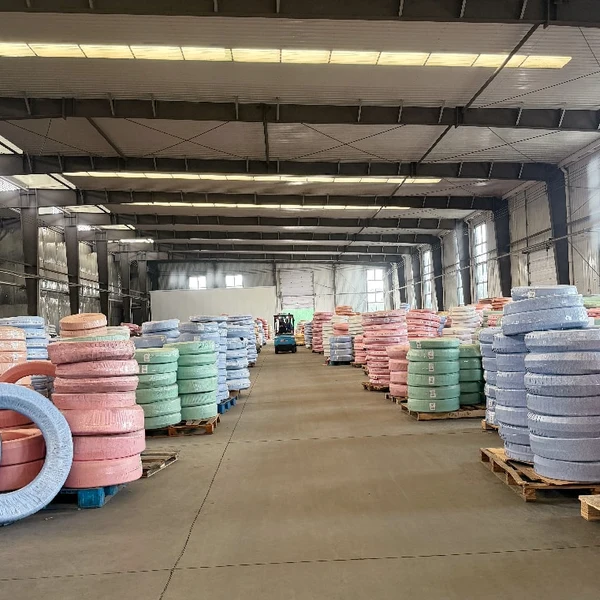
Zhengzhou Haida Hydraulic Technology Co.,Ltd is not an intermediary. We have been producing hydraulic hoses 2 since 2012 at a plant in Zhengzhou, where each roll of rubber undergoes incoming inspection according to 12 parameters, and each spiral undergoes X-ray flaw detection. On the website hydahose.com you will find not just a price list, but technical cards with test data, connection diagrams and installation recommendations - everything that helps you make a decision and not guess.
Hydraulic hose 2 is not a universal tool. This is a precise solution for a specific task: high pressure, shock loads, wide temperature range. It does not replace other classes. He complements them. And when you choose it, you choose predictability. And in hydraulics, predictability is not convenience. This is the safety of the operator, the safety of equipment, and the implementation of the work schedule.
The future of hydraulics is in detail. It’s not about “picking up any hose,” but about knowing exactly: what class, at what temperature, with what fitting and for what length. Because each case is different. And so does every hose.